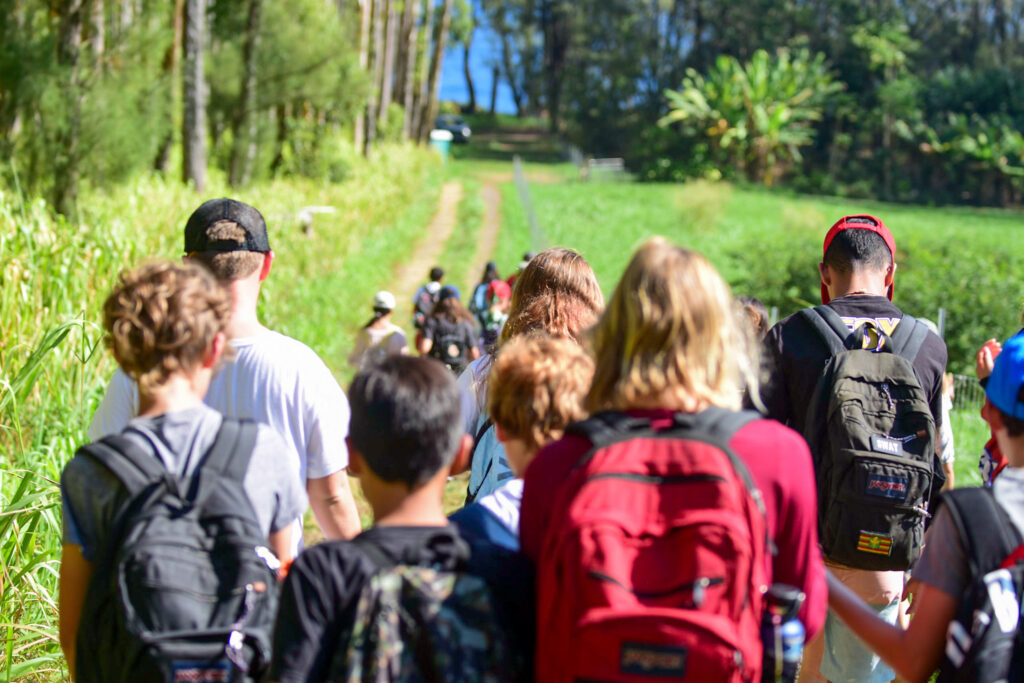
Ask an HPA Middle Schooler what their favorite time of year is – and odds are they’ll shout, “Theme Week!” with the excitement of someone who has won a game show prize.
“Theme Week is something I look forward to each year. It’s a chance to get away from the everyday routine of school work and spend more time with friends outside of the classroom while going to really special places in Hawaiʻi where we learn more about the geology and culture,” described Avery Henderson ‘27.
“It’s basically a week-long adventure,” said Chase Pugh ‘28.
The long-standing HPA tradition is one of the most anticipated events of the school year for 6th, 7th, and 8th-grade students and their teachers. It’s an opportunity to take the extraordinary place-based learning that starts in our classrooms and extend it out across Hawai‘i Island for four days of programming that immerses students in the history, culture, ecosystems, and communities around us.
“The whole world becomes a classroom. We break down the traditional school walls, and have a chance to take the kids on purposeful adventures that match up with their curriculum,” explained Middle School principal Glenn Chickering. “It’s so special. This shows them the why of what we are learning.”
Theme Week highlights the importance of place through the integration of HPA’s mālama kaiāulu model — a vision for regenerative sustainability that focuses on care for our community of spirit, land, and people.
“Theme Week is a chance to make their learning real and connect them to their community in meaningful ways,” Chickering said, “This is mālama kaiāulu in action.”
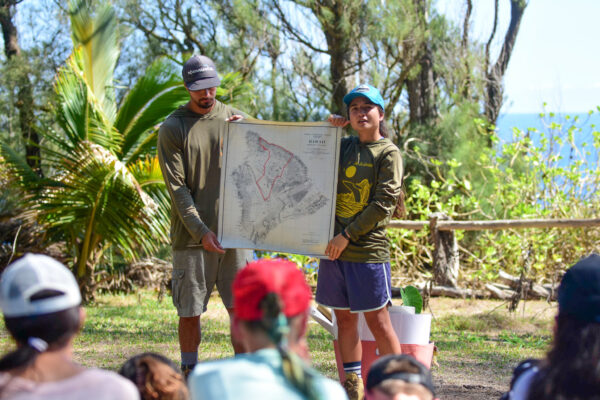
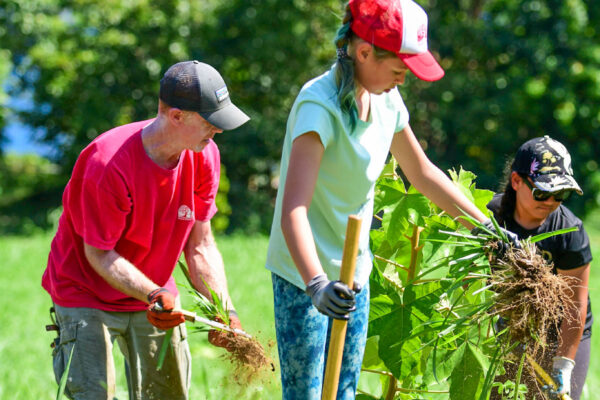
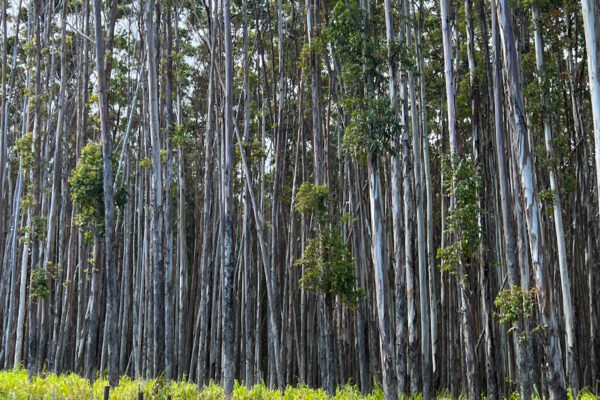
The action-packed week is unique for every grade level.
“We got to go to a lot of different places and saw really cool things and even got to help out and do some work for our island,” said ‘Imaikalani O’Leary ‘29.
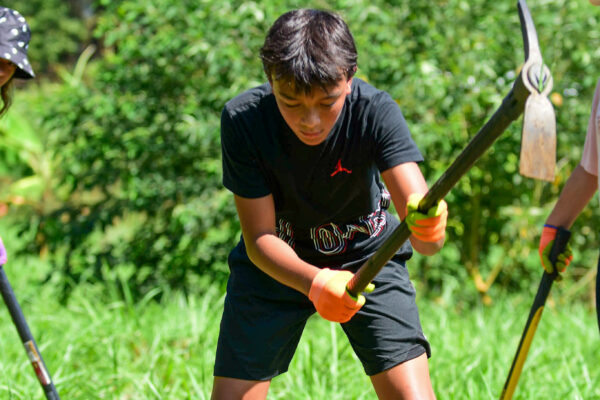
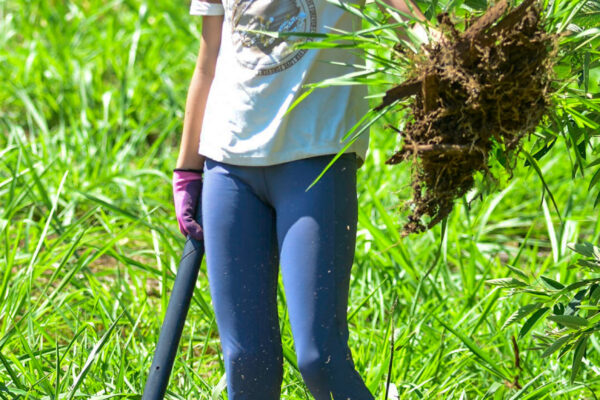
6th-graders started their Theme Week journey in Kohala engaged in community service work at Ulu Mau Puanui, where they learned about how ancient Hawaiians sustained rain-fed, unirrigated, intensive farming for centuries.
“We talk a lot about sustainability, but actually seeing it and experiencing the work that it takes to take care of this place — that’s really important,” said 6th-grade advisor Shellie Boswell. “We are pushing kids out of their comfort zone, and helping them learn something new and make connections they would not form if they were just on campus in the course of their regular day.”
From helping to cultivate healthy soil and remove invasive plants at Koholālele Landing, to exploring one of the rarest forest types in the world — students were engaged in mālama kaiāulu practices throughout the week.
“I love that we get to be outdoors, and outside of the classroom,” said Dolly McMahan ‘29. “I learned that there are only 50 wiliwili trees out in the wild and the Waikoloa Dry Forest has 11 of them.”
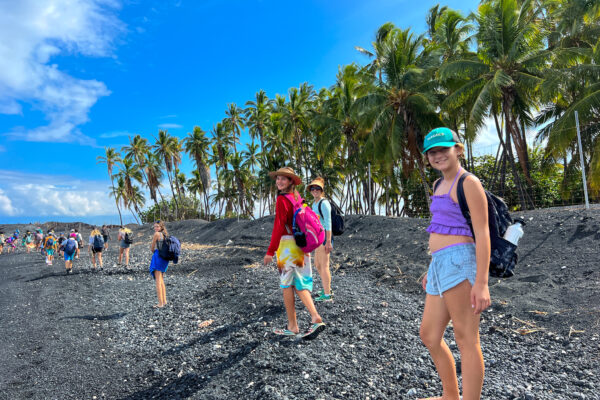
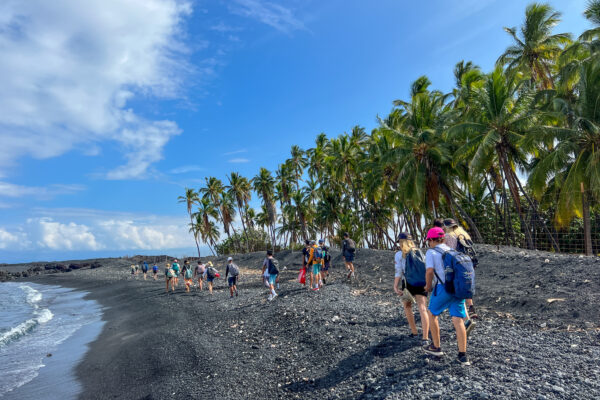
7th graders hit the Awini Trail, which crosses the five valleys between Pololū and Waipiʻo, and learned about kalo, rice, and sugarcane farming. They followed Old Kohala Mill Road to Lauhola Point, where the first lighthouse was installed in 1897. They walked the King’s Highway on the Ala Kahakai National Historical Trail from Keawaiki to Anaehoʻomalu.
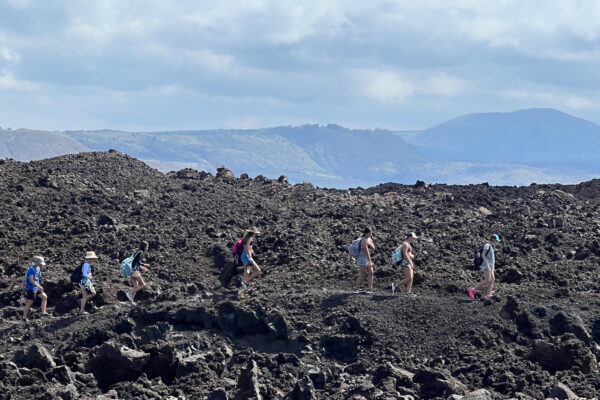
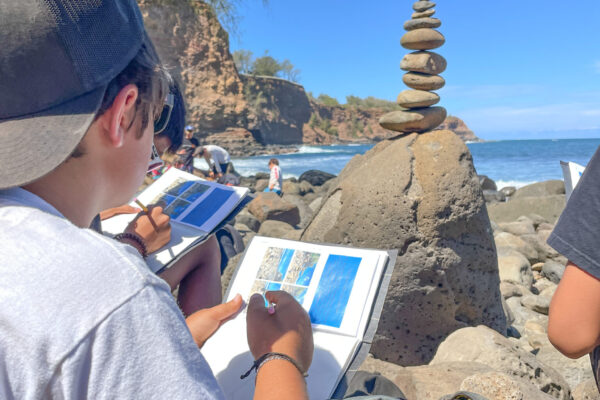
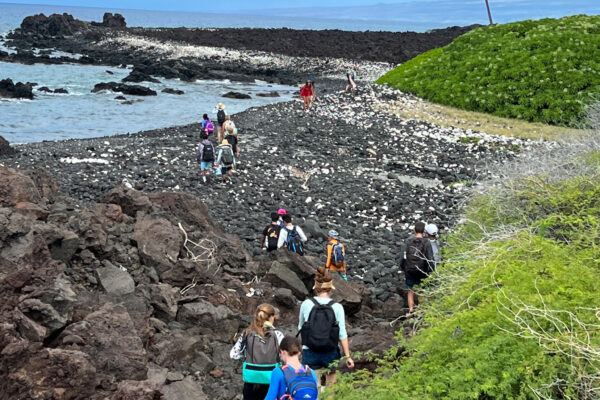
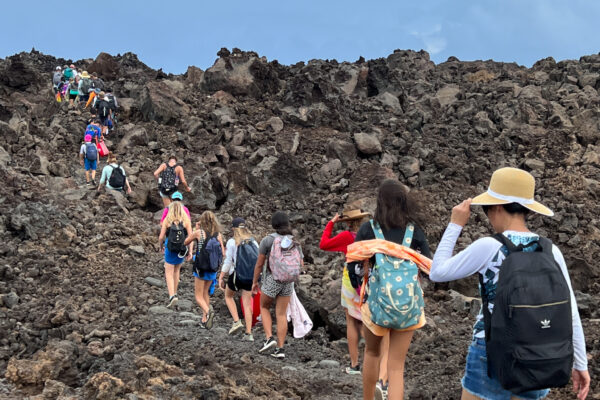
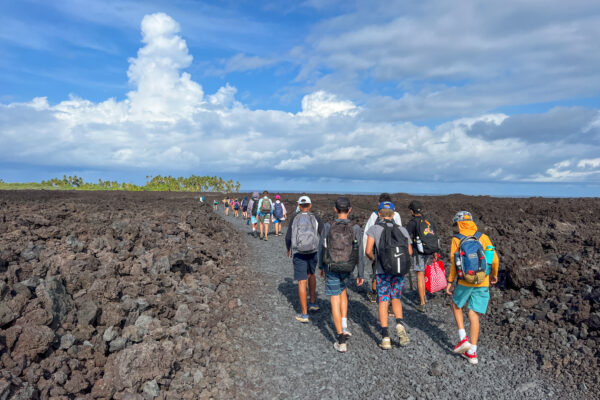
“To be able to get out in nature and be part of the community is what makes Theme Week so special,” said Lianna Doppmann ‘28.
“I’ve lived here all my life, but we went to places I had never been to or heard of before,” said Khloe Nakagawa ‘28. One of those spots was the Puʻu ʻŌʻō hike on the slopes of Maunaloa. “We went from lush, green forests to dry lava areas. I didn’t know that land could look like that.”
In grade 8, students are learning about the social geography of Kamehameha I, so their Theme Week included a trip to Kaʻū’s Footprints Trail where Keōua Kūʻahuʻula’s regiment — who had risen up to challenge Kamehameha’s reign — was killed and their footprints were fossilized in ash.
“I think it’s special because a lot of other schools don’t get to learn about the people who came before them and what they did and how they survived and how they lived,” said Zach Montgomery ‘27.
Theme Week provides students with a greater connection to Hawaiʻi Island, and also each other. For 8th graders, it was a chance to experience an overnight trip to Hawai’i Volcanoes National Park.
“Nowhere else has a Theme Week — where you get to go around the island and experience this place. It connects everyone because we’re not divided between classrooms. We’re all together as one big grade,” explained Eliana Andrade ‘27. “You know each other better than you would have if not for Theme Week and that’s really nice.”
Middle School faculty echo that sentiment.
“It was beautiful. For me, my favorite part of the year so far, by far,” said 7th-grade advisor Tali Kassutto. “I feel like I have a different relationship with my students and it has made my job as a teacher easier.”
“Being off campus, experiencing new things, and connecting with new people — just being uncomfortable and having to push yourself to keep going — that’s exactly what I’m trying to do as an educator. It’s incredibly important,” Kassutto said. “I think Theme Week is the future of education.”