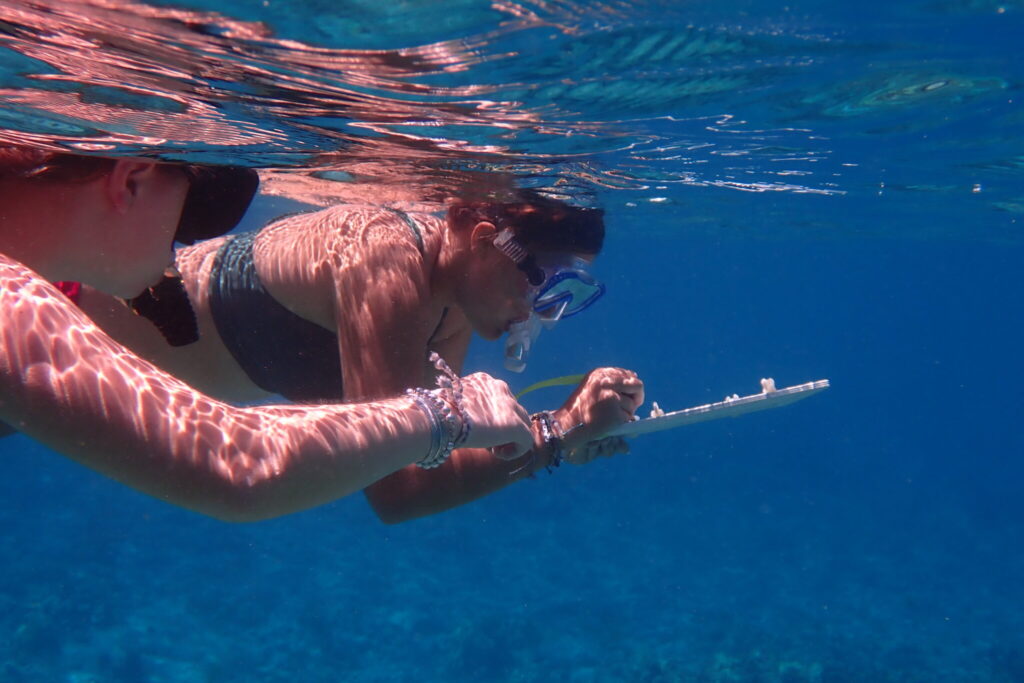
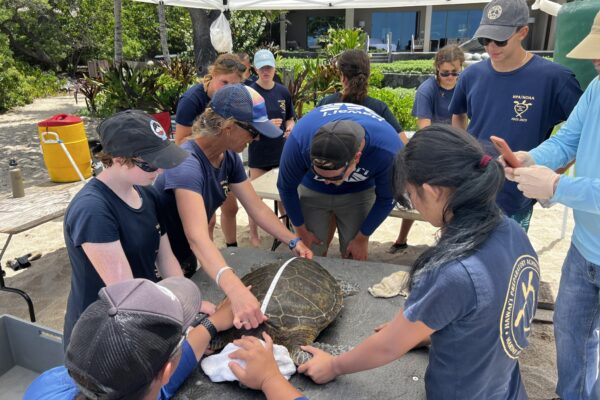
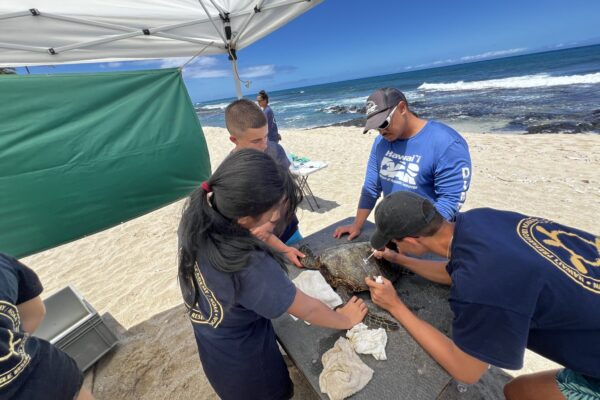
Since 1987, HPA students and faculty have captured, studied, and tagged more than 3,900 sea turtles throughout the Hawaiian Islands and at international research sites in Japan, New Caledonia, American Samoa, and the Republic of Vanuatu. HPA’s Sea Turtle Research Program (STRP) is one of the key offerings in Marine Studies at the school — a signature program that’s stronger than ever.
“It’s so important to engage with and be a part of the conservation opportunities unfolding on our island and within the larger marine science community,” says Laura Jim ‘91, Upper School Marine Studies teacher and Co-Director of the Sea Turtle Research Program.
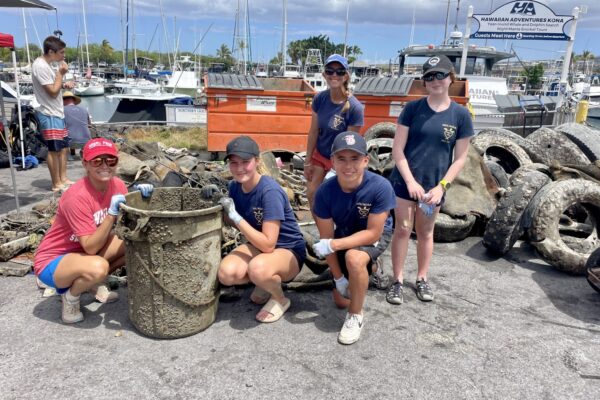
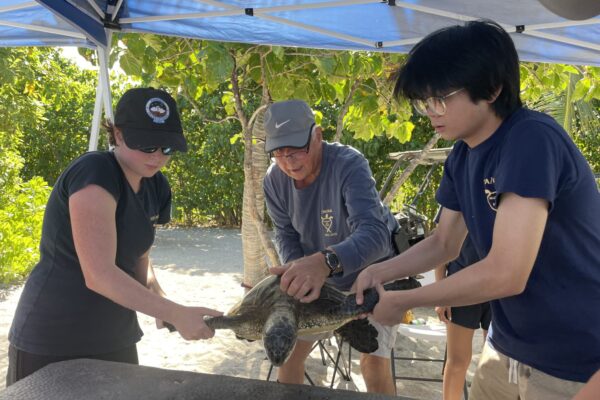
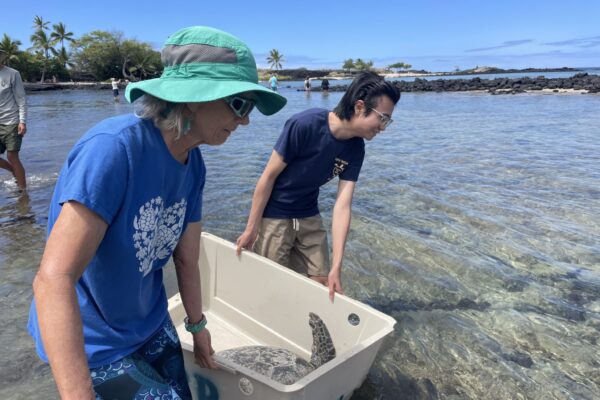
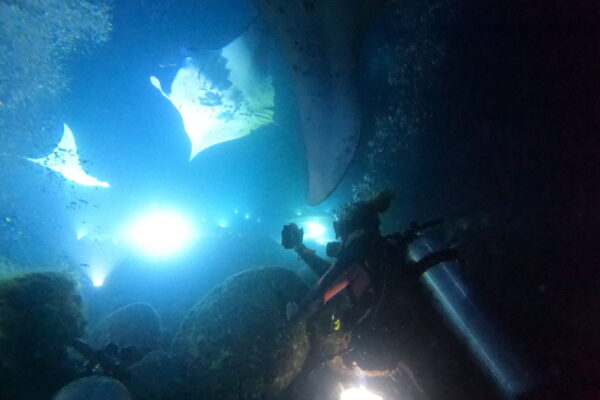
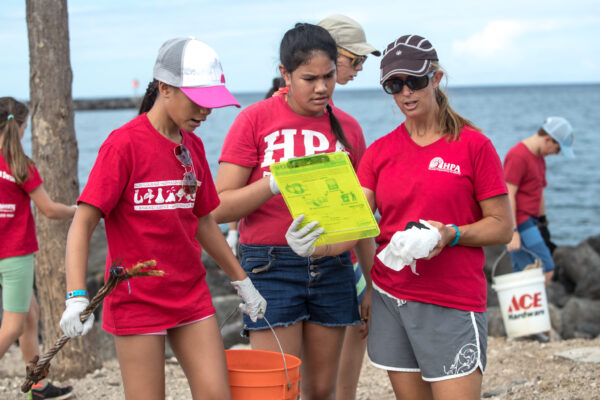
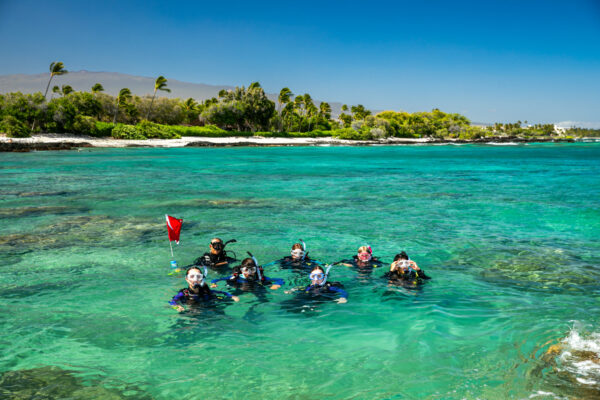
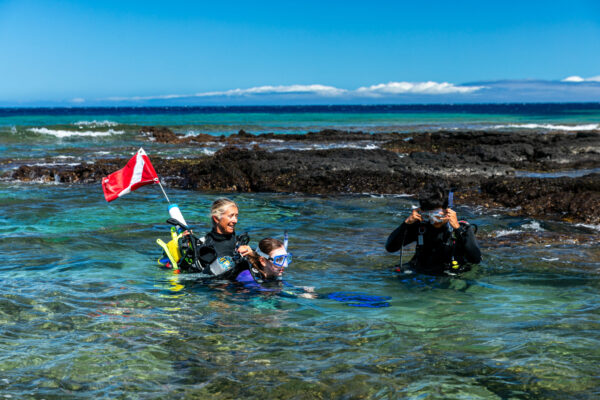
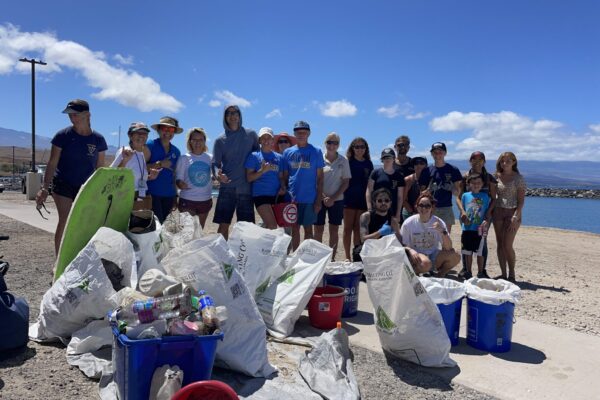
HPA’s Marine Studies program is not just about classroom learning; it’s also about hands-on experiences and active engagement in conservation efforts. HPA students have participated in more than 18 service events this semester alone, collectively contributing 414 volunteer hours. These activities have included multiple coastal cleanups in addition to work for a community Fishing Line Recycling Program run by HPA’s Marine Studies Program, Ala Kahakai Historical Trail and Keep Puako Beautiful.
“We have collected more than 10 miles of fishing line and have quite a bit more to process!” Jim says. Improperly discarded fishing line is an issue along Hawai’i’s shores as is evident from the amount of line collected during coastal cleanups.
To address the problem, nearly a dozen fishing line recycling bins have been installed and are maintained along Hawai‘i Island’s coastline. The fishing line discarded at these sites is weighed and measured by HPA volunteer students and sent to the Berkeley Fishing Line Recycling Program where the line is sold and remolded into pellets for consumer products.
“We are proud of our work on this front because this initiative not only reduces dangerous marine debris but also educates students and the community about how even small interventions can have an outsized effect,” Jim says.
We are proud of our work on this front because this initiative not only reduces dangerous marine debris but also educates students and the community about how even small interventions can have an outsized effect.”
When Jim and her students aren’t exploring and conserving Hawai’i’s marine ecosystems, you might find them working with conservationists in Fiji or Vanuatu – both recent Marine Studies expeditions that offered unparalleled opportunities for expanding our students’ understanding of marine ecosystems and the delicate balance they maintain.
“We are very lucky to continue to work with experts in Marine Science around the world,” Jim says.
As part of a recent workshop with Rachael Z Miller, a National Geographic Explorer and Co-Founder of the Rozalia Project for Clean Oceans, students engaged in a CSI for the Oceans project, assessing microplastics in water and air. Jim plans to conduct regular nearshore monitoring of microplastics suspended in water at various sites to assist with global efforts to map and monitor microplastics leading towards solutions based approaches.
Looking ahead, HPA remains committed to expanding its marine studies program. Initiatives like the summer’s Marine Explorations Academy, supported by dedicated faculty, are paving the way for future conservationists and marine scientists. Through volunteerism, research, and education, HPA students are making a tangible difference in marine conservation efforts, and we couldn’t be more proud.