Climate Negotiation
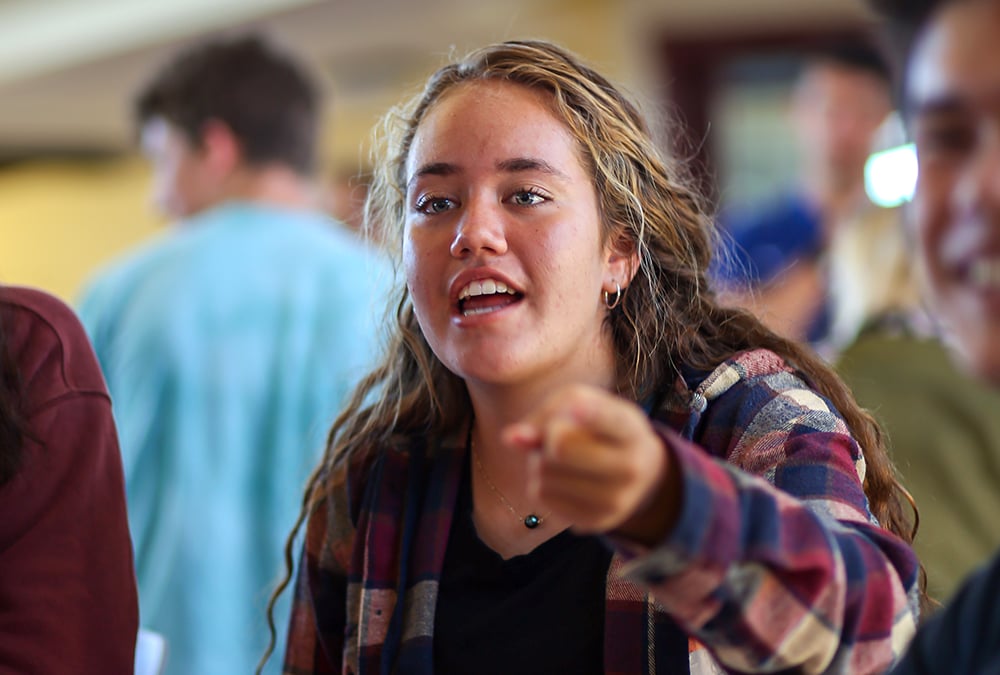
“How can we reduce emissions by 3.5%? We didn’t create this problem!” Brazil is arguing with the European Union. “You developed countries having been pouring CO₂ into the atmosphere for decades!”
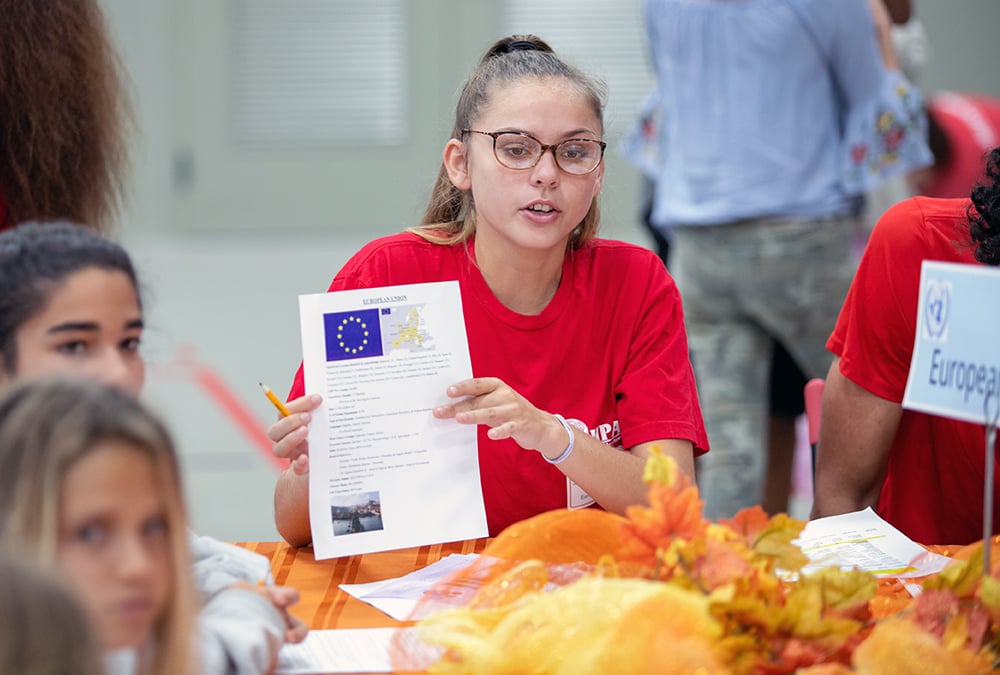
“But you’re producing greenhouse gasses at a much higher rate than we are.” The European Union taps his clipboard. “Look at these numbers! Your coastline is going to be under water. You can’t ignore the problem and focus on your own economy. That’s selfish.”
“But you’re a rich country!” Brazil is yelling now. “You need to help fund our shift away from a reliance on fossil fuel technologies.”
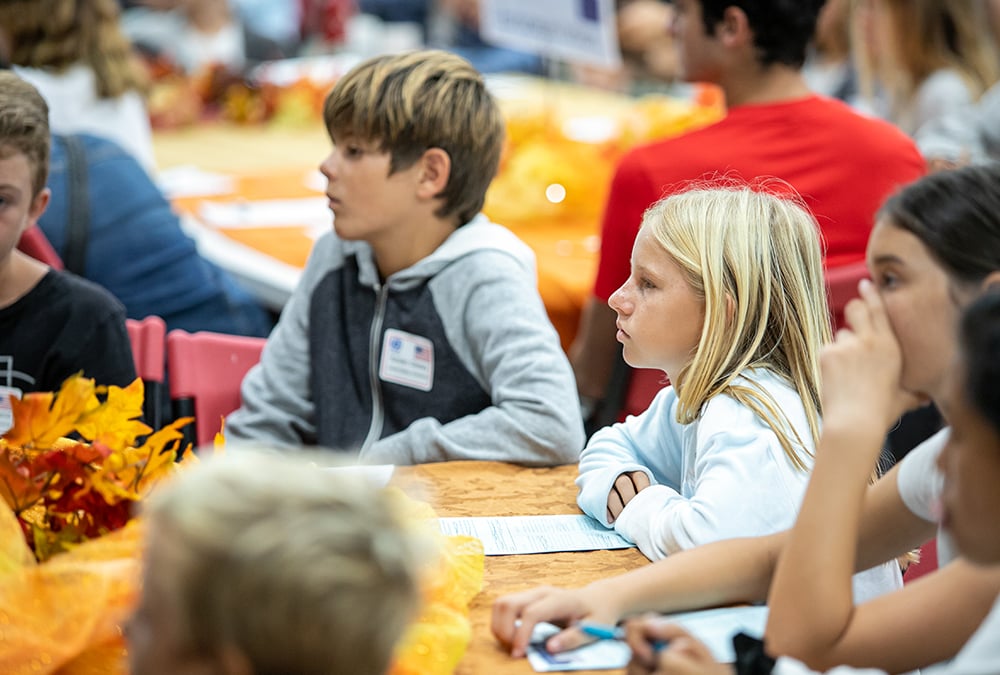
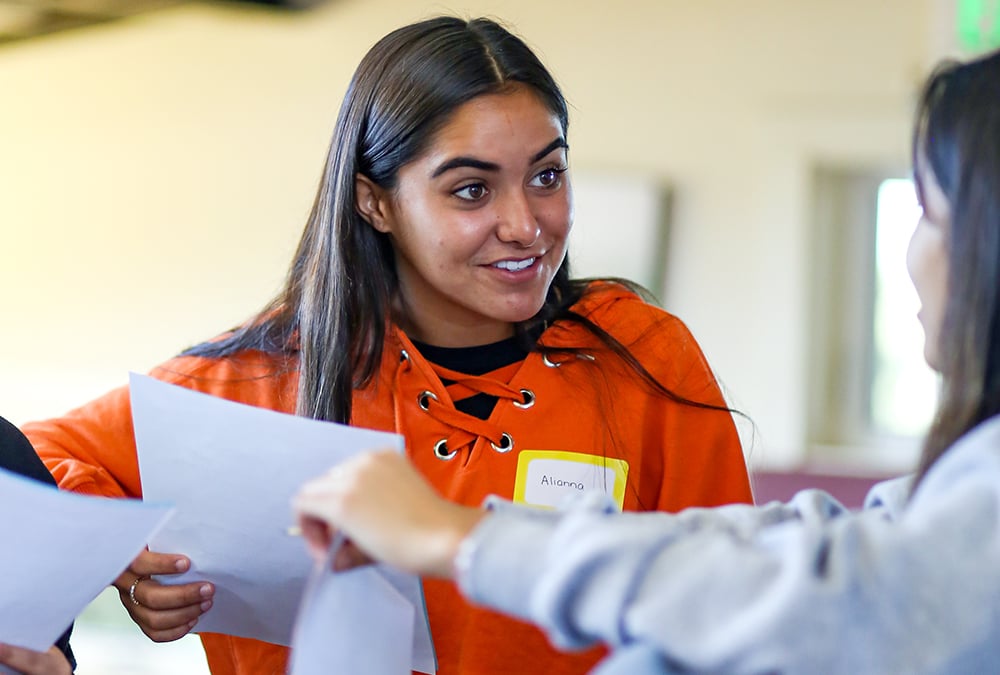
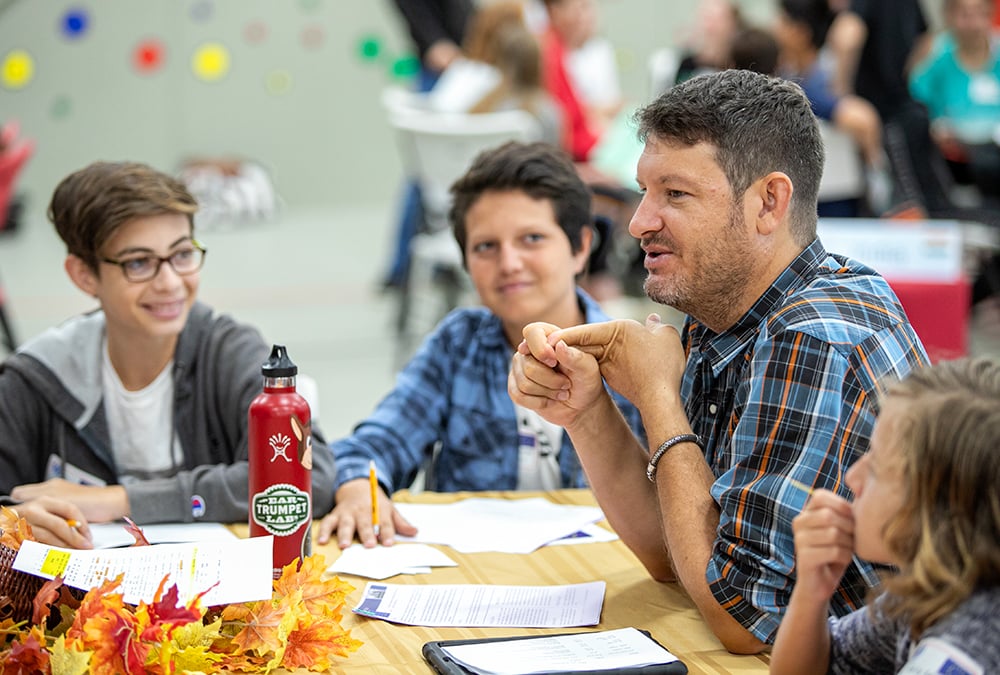
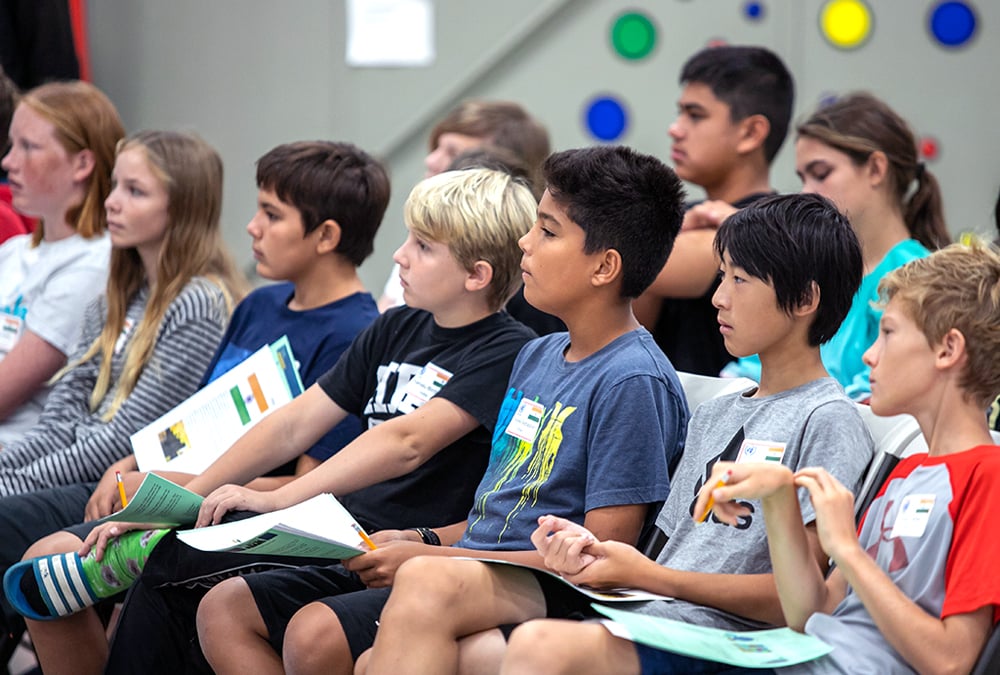
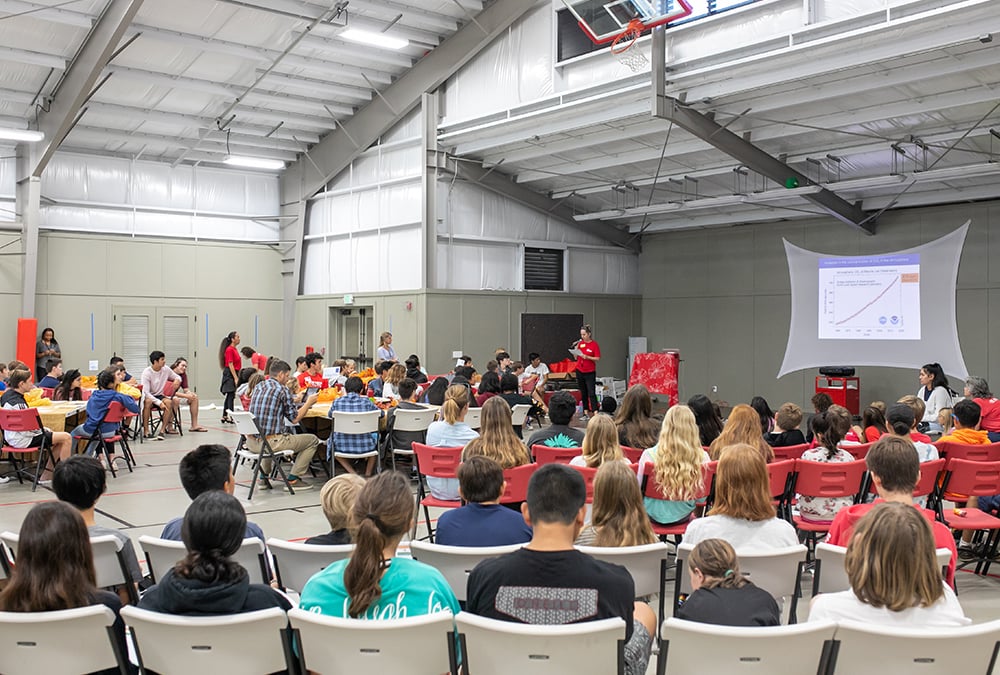
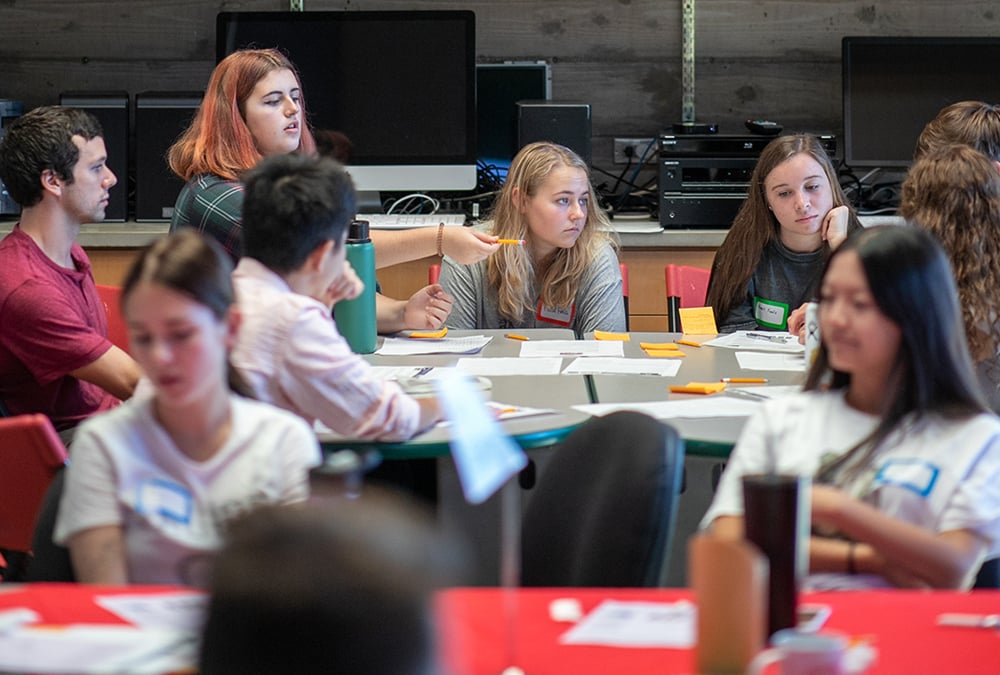
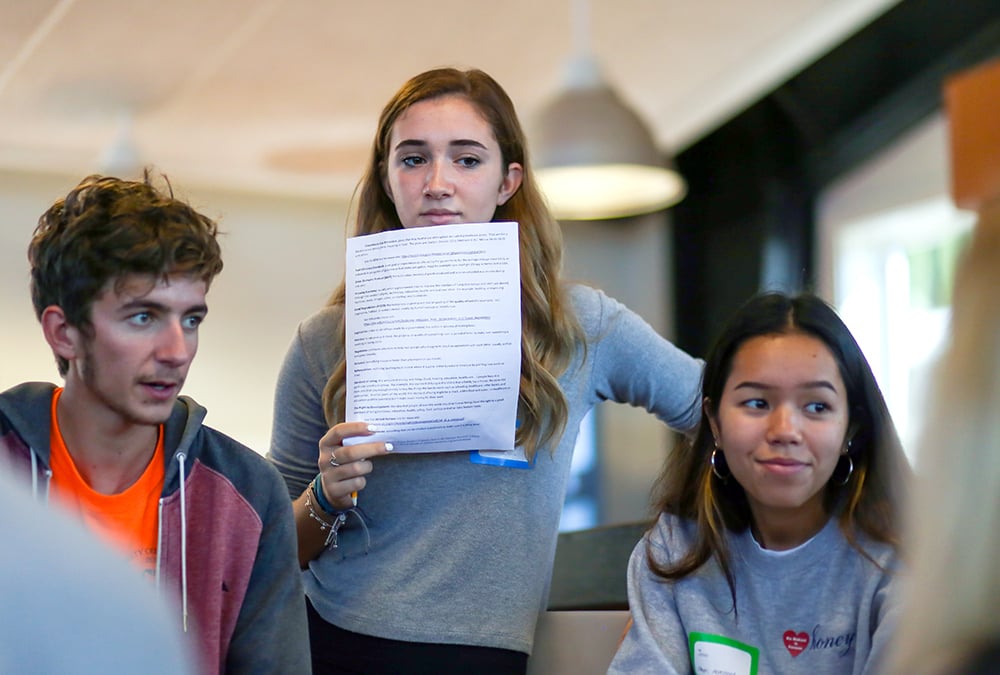
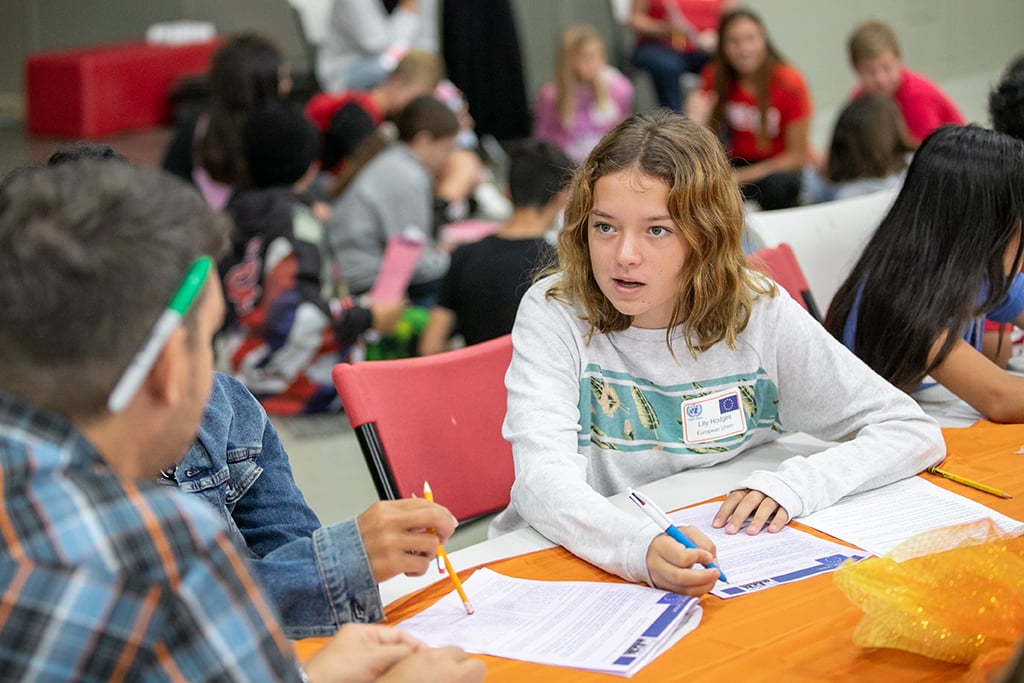
Emotions are running high: what will these negotiators do to avert a climate crisis? No, this is not happening at the United Nations but in rooms throughout HPA, where students are participating in the Climate Change Negotiation Simulation, a project designed by the System Dynamics Group at the MIT Sloan School of Management and the UMass Lowell Climate Change Initiative, and brought to HPA by PAAC (the Pacific Asian Affairs Council), which works with schools to create hands-on experiences with global issues.
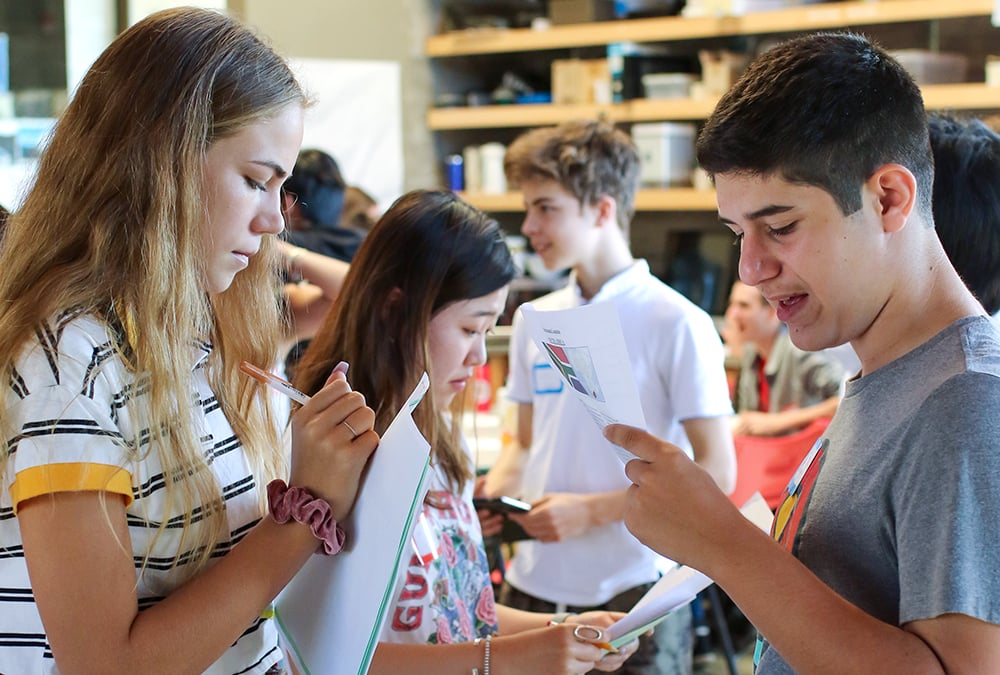
Spear-headed by the HPA social studies department, the simulation is a day of experiential learning for both the Middle and Upper Schools, with the goal of understanding the risks of climate change while negotiating international agreements to reduce the emissions of greenhouse gasses. Makana Blake ’20 observes: “Doing the negotiation—not listening to someone talk about it—arguing about numbers—it means a lot more. The experience seems difficult and even chaotic at times. This is ‘real.’ The stakes are high, and change needs to be drastic.”
Before the simulation, students are assigned to a group; each group represents a country or region, and students prepare for the negotiation by reviewing together the materials created by the MIT group, including the impact of greenhouse emissions on climate and their country’s fact sheet, put together by HPA’s AP Government class.
The experience seems difficult and even chaotic at times. This is “real.” The stakes are high, and change needs to be drastic.”
—Makana Blake ’20
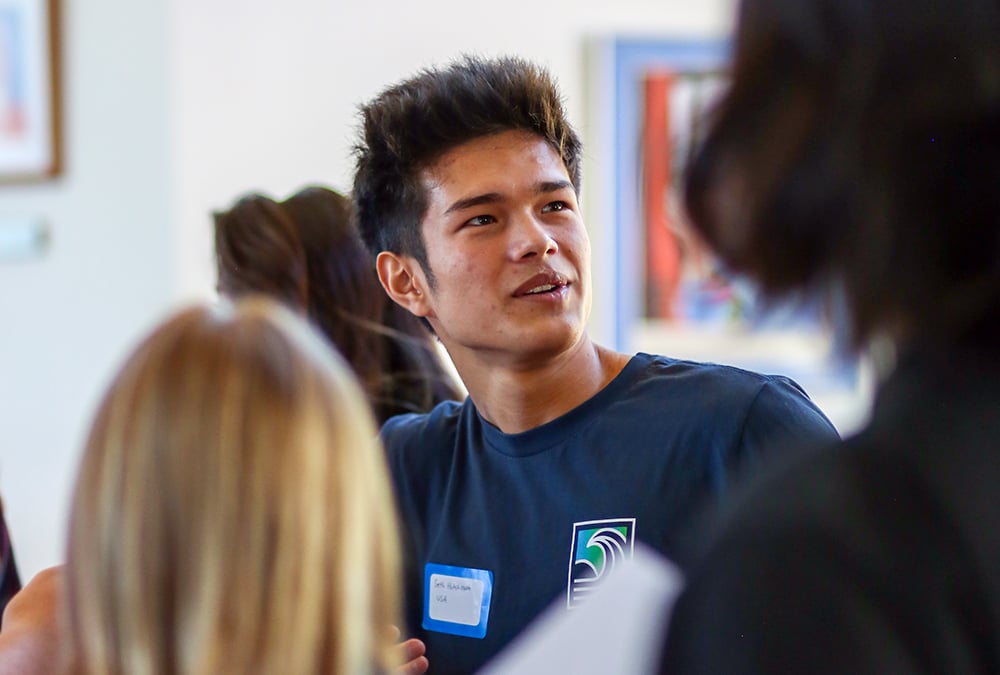
During the actual negotiation, students have to consider the economic interests of their country, as they negotiate with other countries to reduce greenhouse emissions. Zane Willman ’20 notes: “It really made me think about how significant fossils fuels are in climate change, how connected to the growth of CO₂, and what steps we’ll have to take to slow down this growth.”
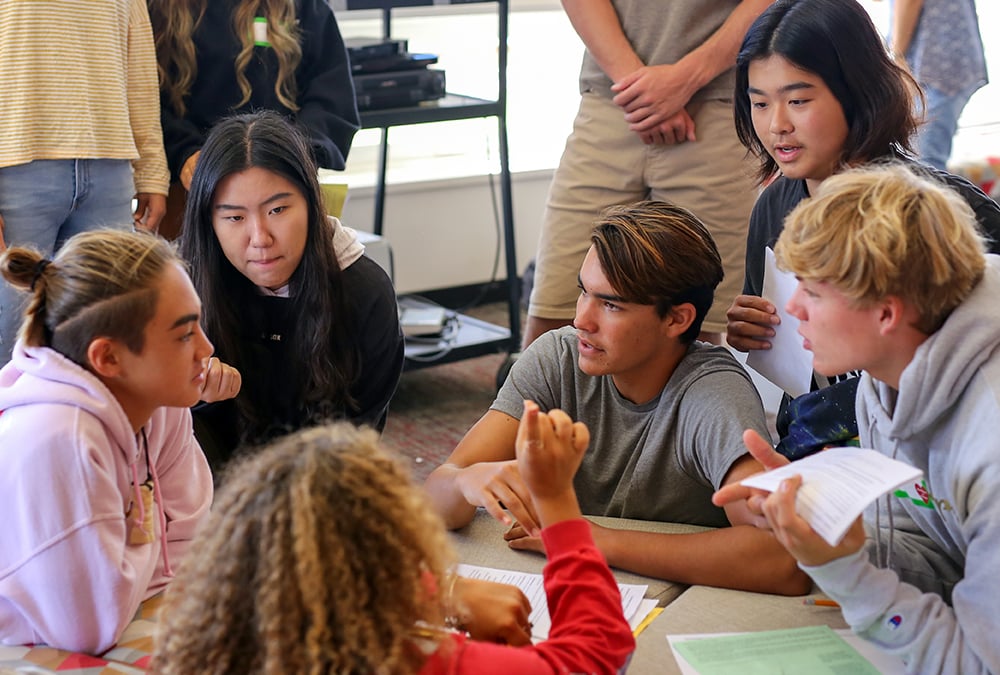
Students in HPA’s Economics Honors class, led by teacher Adrienne White, helped prepare for this school-wide event and worked with the Middle School students as group leaders, guiding them through the process. These upperclassmen were impressed by the younger students’ level of excitement and their willingness to be fully engaged in the process. “This experience really underscores the importance of starting the conversation around climate crisis early,” Fisher McKinney ’20 notes, “and not underestimating what younger students can understand. The powerful thoughts from the middle schoolers are really inspiring.”